
I Was Waiting for You
On Friday, July 17th, a week before my father died, it was a warm, golden afternoon when he rang and asked if I would go for a swim with him.
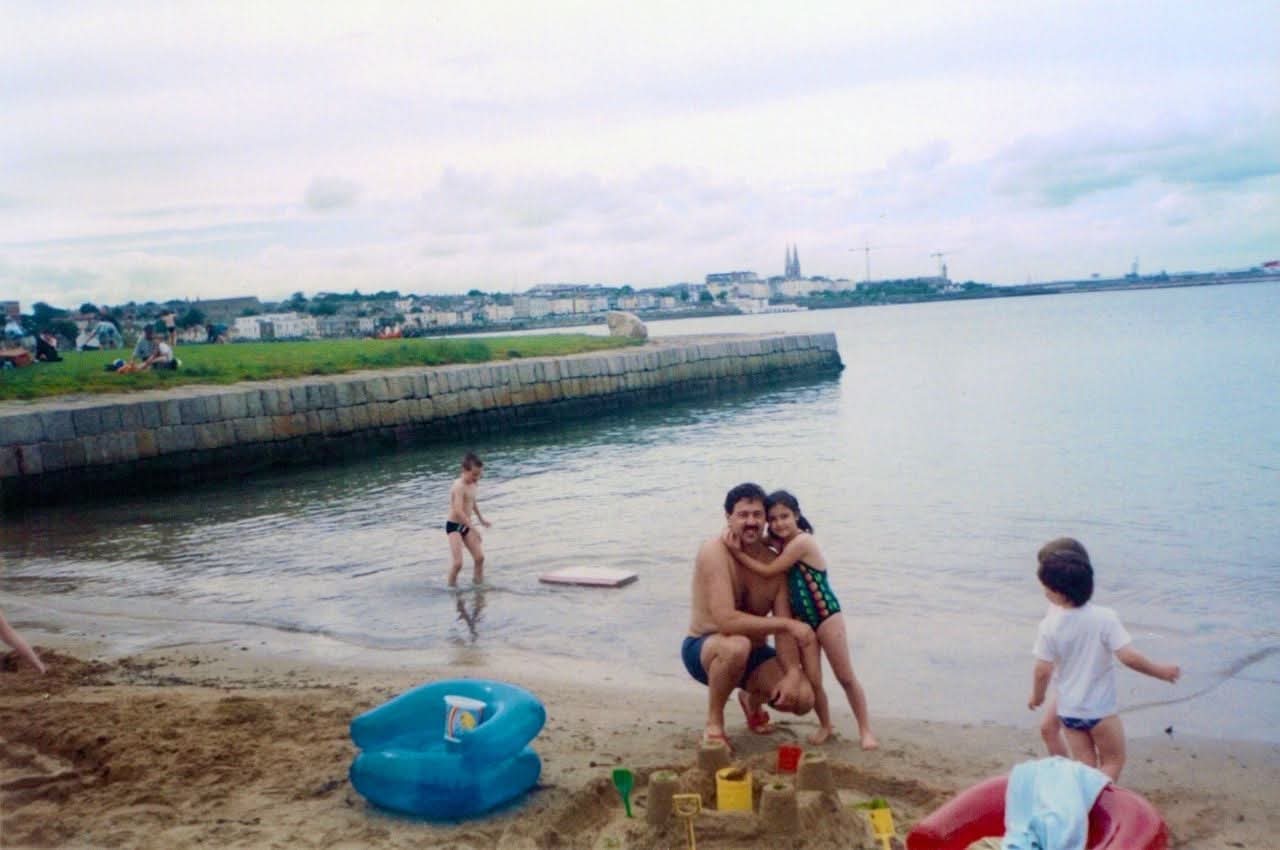
My Dad was a daily sea swimmer, rain or shine. When I was little, I went with him all the time. In fact, he used to blame me for getting him hooked on it.
Back then, I would follow him into the sea in my neon pink or fluorescent orange swimsuit (bought by my anxious mother so I could always be spotted from the shore), and splash fearlessly in his wake, even in winter, even alongside the seals bathing in the shallows of Sandycove.
The sea was simply somewhere we went to be together.
As I grew older, I joined him less and less. In recent years, it might have been once a year, if that.
But we were having the most glorious summer, and I knew how much it meant to Dad whenever I went swimming with him. So I said yes.
I was working from home and told him I would be free by five. Such was his excitement that he appeared at my door shortly after four. Slightly exasperated, I explained that I wouldn't be free for nearly another hour and sent him on his way.
A few minutes later, I sensed his presence and looked out the window. My heart melted.
There he was, sitting on the bench opposite our house, looking out at the sea. His snorkel and fins lay beside him. He was waiting for me, like Forrest Gump.
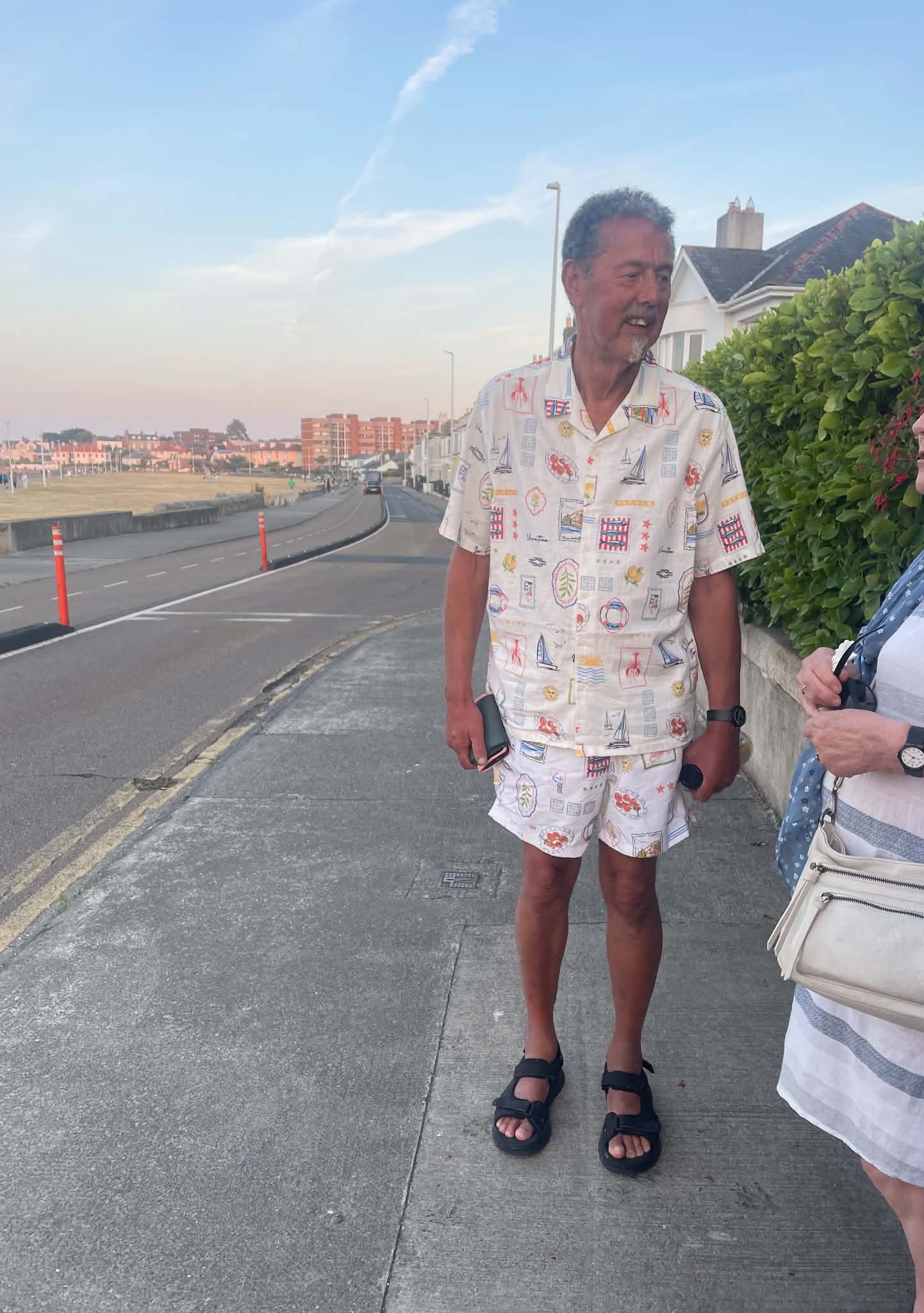
He was wearing a new matching shirt-and-shorts set from Penneys, covered in an Italian embroidered holiday print. It struck me as exactly the sort of thing he might have worn as a little boy: bright, slightly ridiculous, completely himself.
At exactly one minute to five, I heard his diplodocus feet coming up our front steps. The doorbell rang, and I smiled.
This summer, it felt as though Dad wanted to spend as much time as possible with me and my brother, Luke. And I wanted it too.
Perhaps I was longing for something from childhood... the timeless, wonderful freedom of summer holidays, when your neighbourhood friends could simply appear at your front door and invite you on an adventure.
No planning. No calendars. Just: Are you coming?
So we walked down the coastal path towards Sandycove. I noticed how much slower Dad had become. He had always had a long stride and was usually twenty paces ahead of everyone else, marching along as though the rest of us were holding him up. But now his heart problems and medication had taken their toll. I found myself stopping every so often, pretending to admire the view while I waited for him to catch up.
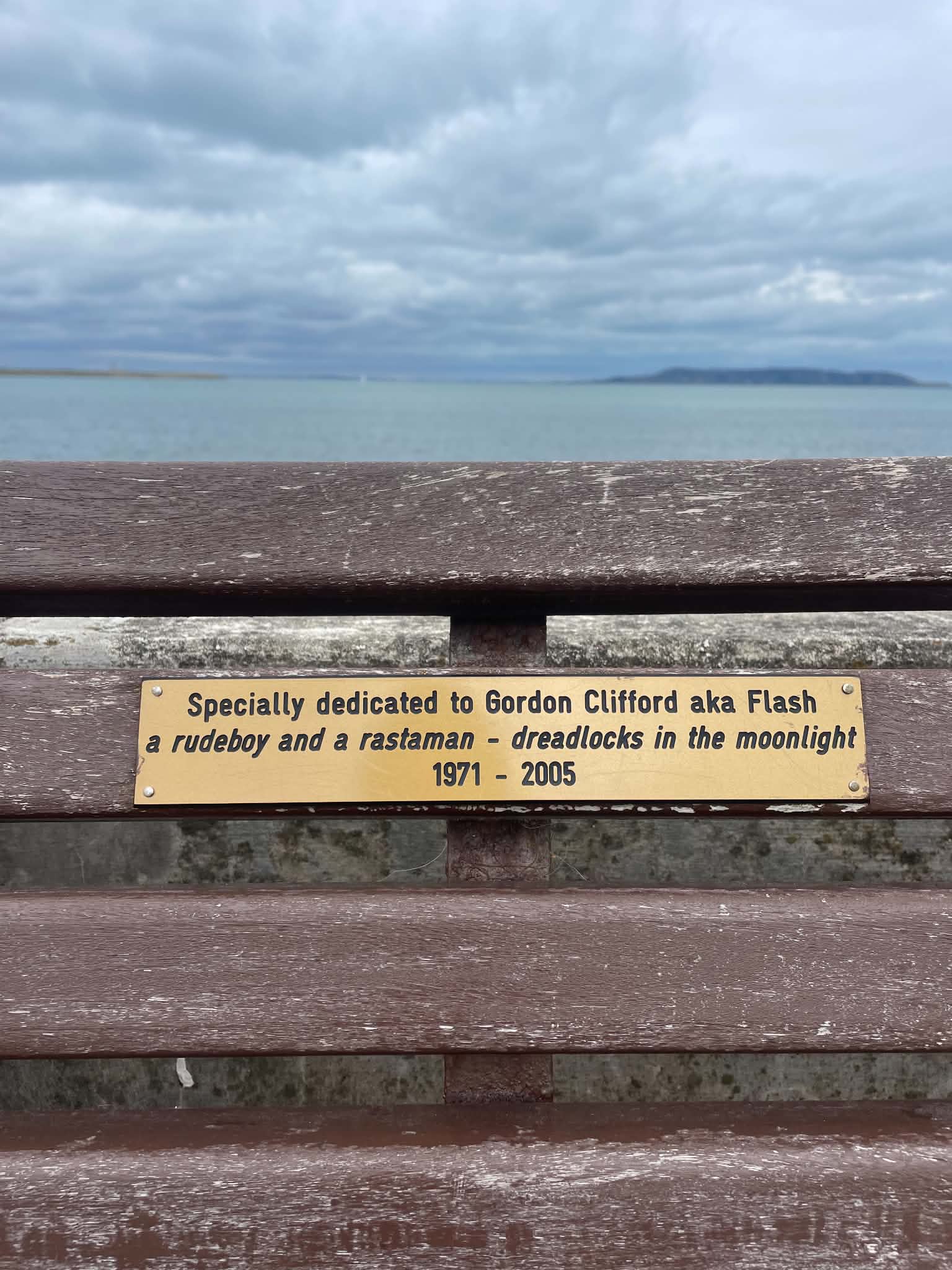
Along the way, I noticed all the benches dedicated to people who had been loved and were now gone. My favourite inscription was dedicated to a young man nicknamed “Flash: a rudeboy and a rasta man — dreadlocks in the moonlight.”
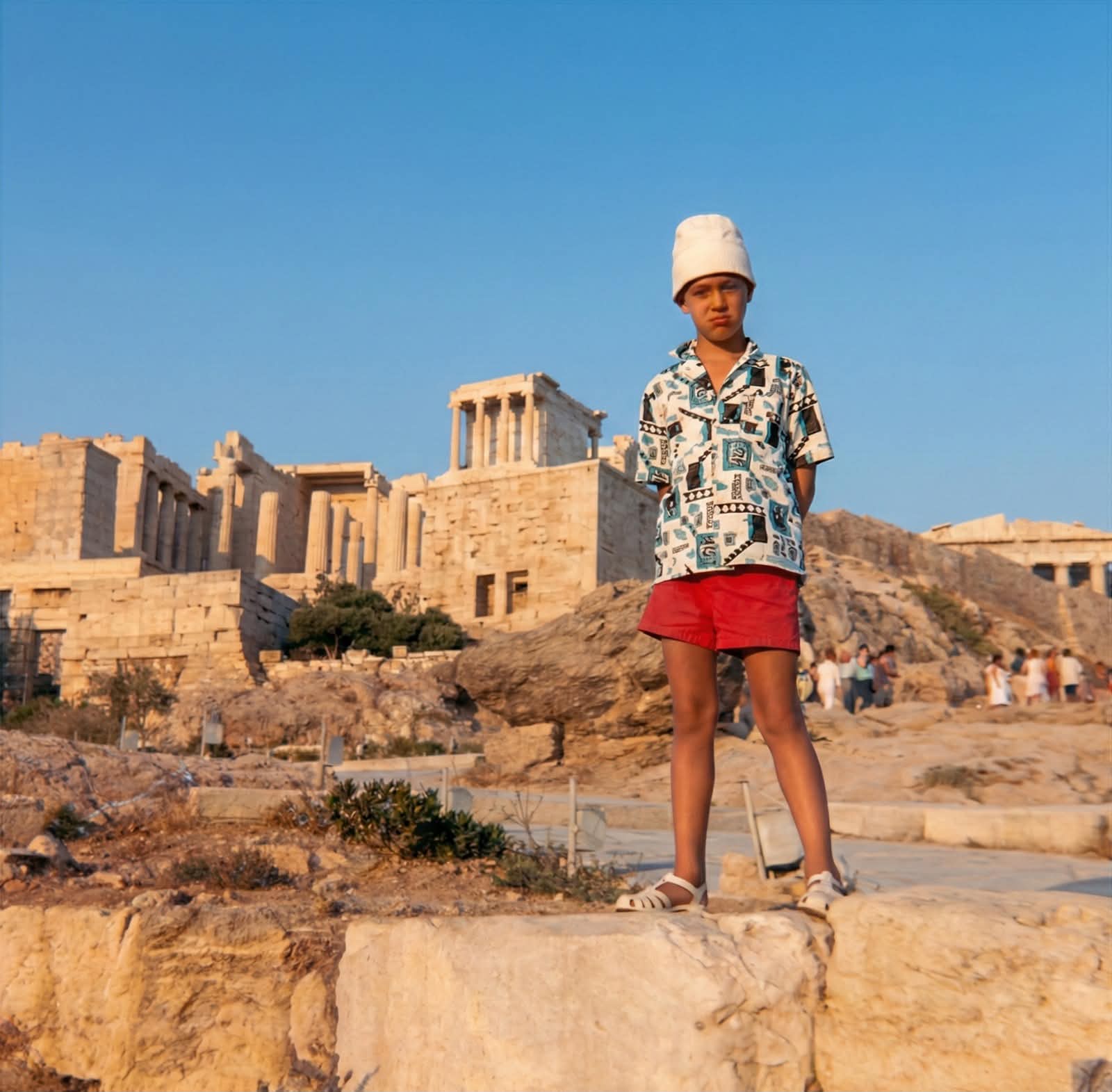
As we shuffled along, Dad told me, for perhaps the millionth time, about an archaeological site in Turkey. Göbekli Tepe. And the newer, deeply enigmatic sister sites, Karahan Tepe and Sefertepe.
He told me how these discoveries were continuing to reshape our understanding of early human civilisation. He spoke with that familiar mixture of wonder and excitement, and wistfully told me how much he would love to visit them one day.
I listened, and pretended this wasn't the second time he had told me about the dig that week.
When we reached the Forty Foot, it was packed.
Dad tried to make his way towards one of his favourite spots, now cluttered with teenagers, but I found a clearing on a stone slab where we could leave our things. He had brought his fins and snorkel, but I told him I wanted to swim unencumbered, so he decided to do the same.
We joined the queue of people daisy-chained along the steps.
A young Brazilian girl stood hesitating at the edge, trying to summon the courage to jump, unused to the bracing cold of the Irish Sea. Dad waited patiently for her.
When she finally took the plunge, he called out:
“Well done!”
Then he looked out towards the water.
“Let's swim to the buoy.”
We glided away from the crowd splashing around the steps and into the open sea.
I pretended not to notice Dad slowing down. He made it only halfway to the buoy.
Before his illness, he could have swum from Coliemore Harbour to Dalkey Island and back without a second thought.
But that day, we simply floated together.
I pointed out the beautiful sailing boats scattered across the water, their white sails glowing in the amber light. We watched them bob gently on the mild current, tilting into each other as my head almost rested against my father's.
For a moment, everything felt peaceful.
Then I saw Dad begin to shiver.
“Let's head home,” I said. “We can try that new pizza place with Luke.”
Out of the water, the confusion began.
Dad couldn't remember where we'd left our belongings, so I led him back to our bags.
He struggled to put his shirt on, so I guided his arms through the sleeves.
Beside our things sat an elderly man, immaculately dressed, probably in his early nineties. He was almost twenty years older than Dad, but somehow seemed less frail, even with his walking stick.
He nodded and smiled at me, tipped his hat, and continued to sit in the sun, absorbing the frenetic energy of the Forty Foot on a summer afternoon.
I wondered if perhaps he had dressed up just to come and sit there. To be among people. To belong to the ebb and flow of Sandycove.
I hoped he had people who loved him. People who minded him. That he wasn't lonely.
Then I looked down at Dad.
He was struggling to slide his feet into his sandals. I crouched down and put them on for him. And I realised, with a strange ache, that somewhere along the way, I had become the parent.
“Let's get something to eat” I said, taking his bags, his large fins sticking into the air, their straps cracked from years of use.
“Oh, Blossom, I can carry them.”
“Dad, let me carry them until you warm up a bit.”
He didn't put up a fight. He simply bid the elderly gentleman a good evening.
Dad was shivering even in the sunshine, and we began the short pilgrimage home.
We were stopped several times by people who knew him. Passing neighbours called out, “Hi, howareyas,” and his face lit up at every conversation.
I discreetly took a photograph of him during one of them and texted it to a friend:
Mark Leslie: the unofficial mayor of Sandycove. Can't walk five feet without being greeted by someone.
His face is bright in the picture, his long limbs tanned a deep brown. He looks completely himself.
Before we parted ways, Dad turned to me.
“Remind me to tell you over dinner about this amazing archaeological dig they've just found in Turkey,” he said. “Filled with mysteries. Challenging everything we know about human civilisation.”
“Of course, Dad. I'm looking forward to it.”
I smiled.
“Let's both have a hot shower and then meet up outside our house for dinner.”
He nodded. Then he slowly began shuffling up his road.
I watched him go, worried by his wobbling gait, his hand reaching out to steady himself against a fence when he thought I wasn't looking.
Later that evening, we had dinner together with my brother, as planned. Dad talked about the archaeological discoveries in Turkey, my brother teasing that Dad sounded like a broken record, and life carried on in the ordinary way it does when you don't know that a moment is becoming a memory.
I didn't know it then, but that afternoon had been our last swim together.
Not our last dinner. Not our last conversation. Just our last swim.
And somehow, that makes the memory of it feel even more precious.
Because there was nothing ceremonial about it. There was no goodbye.
There was just my father asking his daughter if she'd like to join him for a swim, as she used to do.
When we were little, Dad was forever making plans and then getting distracted. He would forget his phone, wander off to work on some project in his office, or disappear on his bicycle towards the sea.
Whenever we finally managed to track him down, he would grin and say:
“I was waiting for you.”
It was one of his little jokes.
And now, when I think back to that July afternoon, I see him sitting on that bench opposite our house, snorkel and fins beside him, looking out towards the sea.
Waiting for me. Waiting for another swim. Waiting for another adventure. Waiting to tell us about some extraordinary historical mystery he had discovered.
I think about all the times he said he was waiting for us, when really he had been the one who wandered off.
And I think about how, in the end, the roles quietly reversed.
How I waited for him to catch up along the coast. How I carried his bags. How I slipped his sandals on his feet. How I watched him slowly make his way home.
And I think about all those love-worn benches along the coast, bearing the names of people who were here, and are now remembered by strangers.
Perhaps, one day soon, we could put one there for Dad.
Facing the sea he loved. A place where people could sit in the sun, watch the boats, listen to the gulls, and feel the life of Sandycove moving around them.
And perhaps the dedication could simply say:
Mark Leslie
I was waiting for you.